Let's Get Real about bagging
TL;DR for operators: When you run the numbers end-to-end, materials, labor, storage, freight, rejects, and speed at accuracy – automated bagging routinely outperforms jars on unit economics without forcing you to abandon jar SKUs. The key is flexibility: capture bag economics today and keep jar optionality tomorrow.
Numbers First: Where the Money Actually Moves
CFOs and COOs don’t win on vibes – they win on deltas. Below is a clean teardown of bag vs. jar across the line items that matter at scale.
1) Packaging Material Cost (Per Unit)
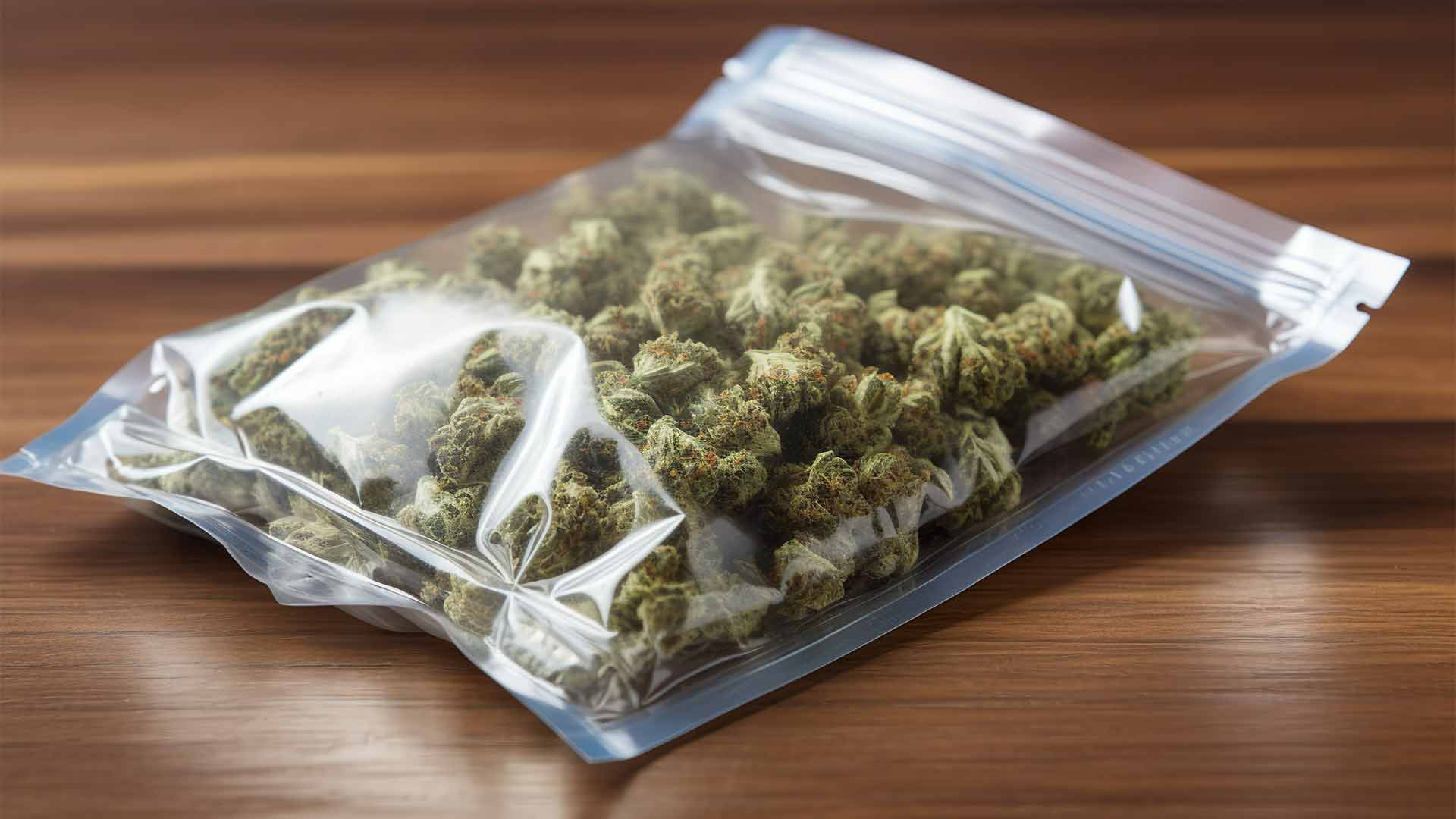
Bags: Typically 40–70% cheaper than glass jars when you include lids, seals, and labels.
Jars: Glass + cap + label stack fast; premium SKUs get expensive quickly.
Reality check: Even before labor, bags usually win on materials alone.
2) Freight, Storage & Working Capital
Bags: Ship flat. You’re paying for grams not air.
Jars: Bulky, heavy, fragile. Freight surcharges and warehouse cube creep up fast.
What this means: Lower inbound freight, smaller on-hand footprint, and less cash tied up in packaging inventory with bags.
3) Labor & Touch Points
Manual or semi-auto jarring: Multiple touches – place jar, dose, settle, cap, torque, label.
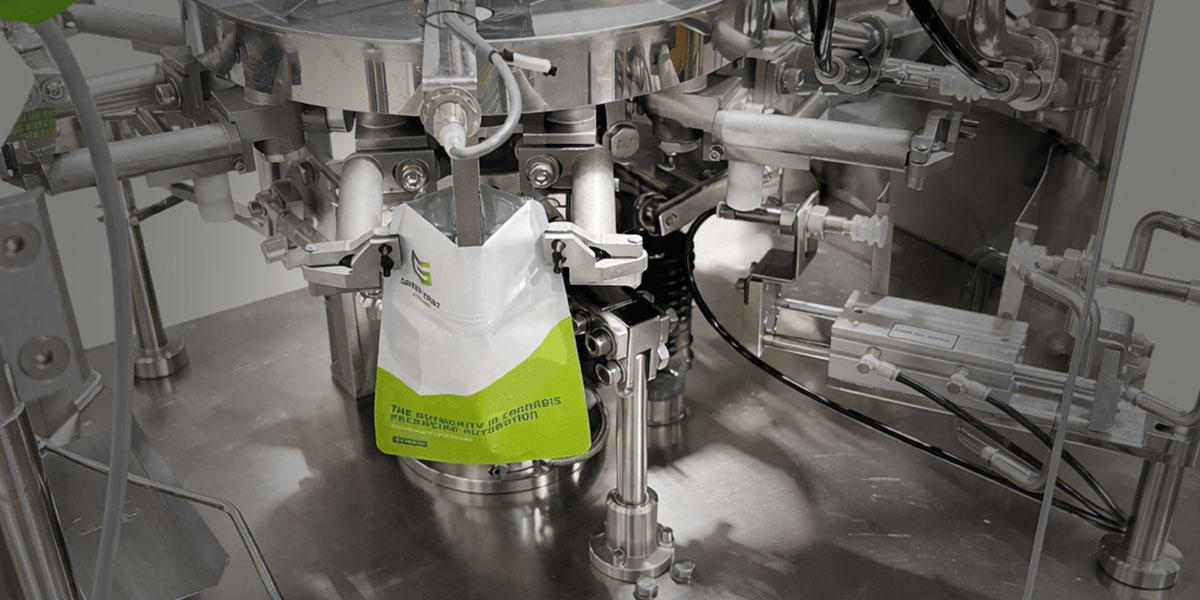
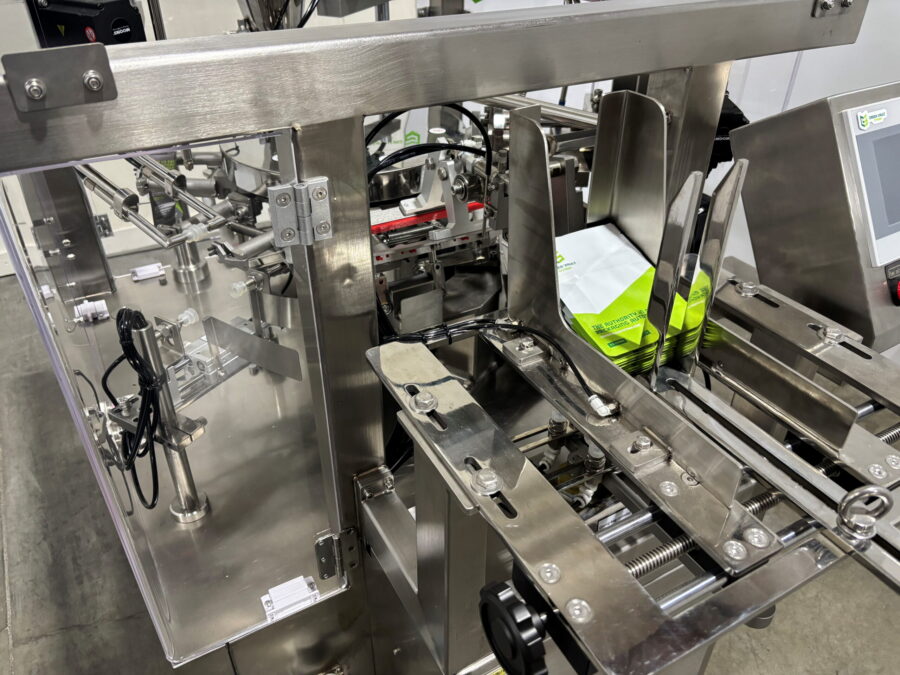
Automated bagging: Continuous flow – dose, fill, seal, done.
At scale, bagging lines typically cut 1–2 FTEs per shift versus comparable jar lines, depending on throughput targets.
4) Throughput at Accuracy (The Metric That Actually Matters)
“Packages per minute” is a vanity stat if accuracy tanks.
Bags + modern automation: High speed with tight weight control.
Jars: Slower settling and more frequent interventions to stay compliant.
Why CFOs care: Overfill kills margin. Underfill kills compliance. Bagging systems that hold accuracy at speed protect both.
5) Rejects, Rework & Breakage
Bags: Fewer breakage events, simpler seals, faster recovery from issues.
Jars: Glass breaks. Lids cross-thread. Labels misalign. Rework costs add up.
Even a 1–2% reduction in rejects can swing annual ROI materially on high-volume SKUs-
“But Our Brand Is Jar-First…”
This is where most teams stall and where modern automation changes the conversation.
Premium brands still like jars. Dispensaries still expect them. And some SKUs deserve that shelf presence.
The mistake is thinking you have to choose one packaging type.
The Flex Play: Bag Economics Without Losing Jar Optionality
Green Vault Systems designed its newest bagging platform to solve exactly this tension.
The GVS Difference (Operator POV)
Automated cannabis bagging for high-volume SKUs
P-Flex changeover in <5 minutes
Run bags today, swap to jars tomorrow – on the same line
That means:
Finance captures bag margins on volume SKUs
Ops keeps jar capability for premium or market-specific formats
No duplicate lines. No stranded CapEx.
This is what “future-proof” actually looks like on a packaging floor.
Brand Impact: What Consumers Really Notice
Bags: Cleaner graphics, lighter feel, easier storage, lower carbon footprint.
Jars: Premium perception, rigidity, tradition.
The winning strategy isn’t ideology, it’s SKU-level optimization:
Bags for volume, velocity, and margin
Jars where brand theater justifies the cost
Automation lets you do both without penalty.
The CFO Takeaway
If you’re planning a scale-up, bagging isn’t a branding compromise, it’s a financial unlock. And with fast changeovers, it doesn’t box you in.
The question isn’t “bag or jar?”
It’s “Which SKUs should carry which economics?”
Next step - Run your bag vs. jar ROI - get a layout + budget.
We’ll model materials, labor, throughput, and CapEx against your volumes and SKUs so you can make the call with real numbers, not assumptions.
Click HERE to get started!